About ASPS
Becoming a Specialist Plastic Surgeon
- About Plastic Surgery
- About Specialist Plastic Surgeons
- ASPS Staff
- Australasian Foundation for Plastic Surgery
- Becoming a Specialist Plastic Surgeon
- Ethical Framework
- Events
- Find a Surgeon
- Governance
- Hospital Accreditation
- In Memory
- Medical Codes and Guidelines
- Partners
- Plastic Surgery Congress (PSC)
- What We Do
Becoming a Specialist Plastic Surgeon
The specialty of Plastic and Reconstructive Surgery is one of nine surgical specialties governed by the Royal Australasian College of Surgeons (RACS). Entry into the Surgical Education and Training (SET) program is highly competitive.
The SET training programs aim to produce the highest quality Fellows who are capable of building on a tradition of skill and excellence in serving the community and the profession of surgery.
The Curriculum for the SET Program in Plastic and Reconstructive Surgery consists of ten (10) surgical topics of equal weighting, six (6) essential surgical competencies (also referred to as non-technical skills) and surgical sciences and principles.
SET trainees are provided a copy of the Curriculum upon entry into the SET programme. Trainers and Supervisors can request a copy of the Curriculum from ASPS National Education and Training Manager; education@plasticsurgery.org.au.
Section 1 – PRS Surgical Sciences and Principles
1.1 Surgical Sciences Relevant to Plastic Surgery
1.2 Plastic Surgery Principles and Techniques
Section 2 – Plastic and Reconstructive Surgery Competencies
2.1 Malignancies of Skin and Soft Tissue
2.2 Other Skin and Soft Tissue
2.3 Burn and Cold Injury
2.4 Aesthetic Surgery
2.5 Craniomaxillofacial Surgery
2.6 Head and Neck
2.7 Hand and Upper Limb
2.8 Breast Reconstruction
2.9 Chest, Truck and Perineum
2.10 Lower Limb Trauma and Reconstruction
Section 3 – Essential Surgical Competencies (non-technical competencies)
3.1 Communication
3.2 Teamwork and Collaboration
3.3 Management and Leadership
3.4 Health Advocacy
3.5 Scholarship and Teaching
3.6 Professionalism and Ethics
Appendices
Appendix 1: Paediatric Plastic Surgery
Appendix 2: Microsurgery
Trainees for Plastic and Reconstructive Surgery are competitively selected based on their potential to become the best surgical leaders and ability to provide the highest quality of patient care.
The Royal Australasian College of Surgeons (RACS) and the Australian Society of Plastic Surgeons (ASPS) are committed to increasing Aboriginal and Torres Strait Islander representation within surgery.
Under the RACS Aboriginal and Torres Strait Islander Surgical Trainee Selection Initiative, the Australian Board of Plastic and Reconstructive Surgery reserves up to 10 percent of annual training posts (minimum one per year) for eligible Aboriginal and Torres Strait Islander applicants.
To be considered, applicants must:
• Identify as Aboriginal and/or Torres Strait Islander during RACS registration
• Meet eligibility for membership of the Australian Indigenous Doctors’ Association (AIDA)
• Achieve the minimum standard for selection (a composite score of at least 65 percent across the Curriculum Vitae, referee reports, and interview)
Where multiple eligible applicants apply, ranking is based on total selection score. Any unfilled initiative posts are returned to the general pool for allocation.
This initiative reflects RACS and ASPS’s shared commitment to equity, cultural safety, and diversity in surgical training, ensuring Aboriginal and Torres Strait Islander doctors have clear, supported pathways into the Plastic and Reconstructive Surgery Surgical Education and Training (SET) Program.
For more information, visit the RACS Aboriginal and Torres Strait Islander Surgical Pathway or contact info@plasticsurgery.org.au
Plastic surgery trainees are trained at State Government accredited training posts throughout Australia. These posts are mainly located at major teaching hospitals and undergo a strict accreditation review process.
Medical registration but be maintained through a continuing professional development (CPD) Home.
The RACS CPD Home offers lifelong support for each stage of the medical career, from training to fellowship. Trainees in active clinical training are exempt from additional CPD. Trainees who interrupt training must register on the RACS CPD home website to undertake activities to maintain their registration.
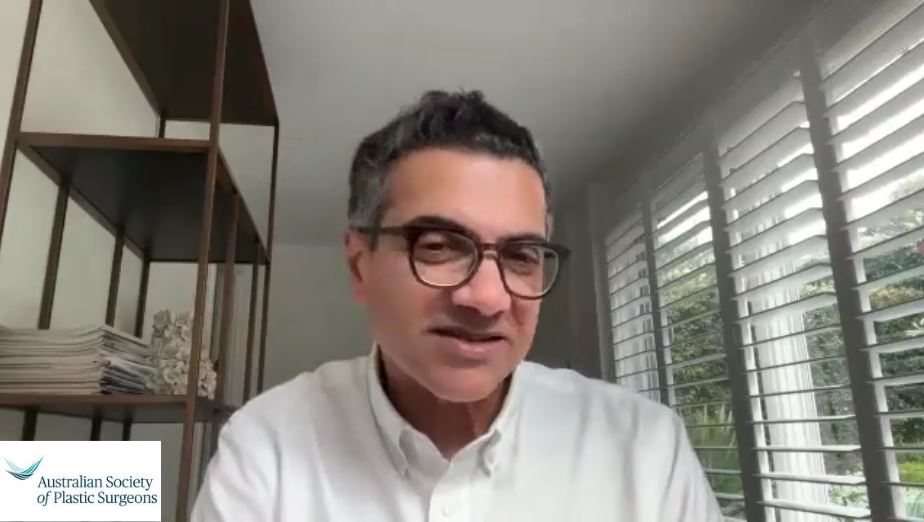
Becoming a plastic surgeon in Australia involves years of preparation, strategic choices, and a deep understanding of the training pathway.
Dr Ed Riordan is a final year plastic surgery registrar at Prince of Wales Hospital, having spent the last 5 years as an accredited trainee in both public and private hospitals in Sydney. He has spent the last 2 years as the trainee representative on the Australian Board of Plastic and Reconstructive Surgery, as well as the Australasian Society of Aesthetic Plastic Surgeons.
Ed reflects on the process, from internship through to unaccredited registrar years and finally into accredited training. He offers his insights on how to build a competitive application, including the importance of clinical experience, research, references, and interview readiness. Ed discusses the shift to a competency-based training model, the role of rural experience, and the challenges of balancing family life with long hours.
The views and information shared reflect the personal perspectives of Dr. Ed Riordan and may not represent every individual experience.
Listen to the podcast here:
Featured Stories

Rib contouring surgery: what patients need to know
10 September, 2026 -With ABC News Growing interest in rib…
Continue reading